Creating AI images and AI animations has evolved dramatically as artificial intelligence has progressed over the past several decades. In its earlier forms, AI was built to perform narrowly defined tasks by following explicit instructions encoded in algorithms and rule sets. These early systems relied on structured data and predetermined logic to handle problems such as identifying fraudulent transactions, forecasting sales activity, or automating routine business processes.
Their advantage was precision and efficiency within tightly controlled boundaries. But because these systems operated entirely on preset rules and historical examples, they lacked the ability to invent, imagine, or produce anything truly original. The limits of those older approaches set the stage for today’s newer, more creative forms of AI.
This guide explores generative AI vs traditional AI through the lens of creating AI driven images, animations, and modern creative workflows, including AI image generation that transforms text prompts into original visual content.
What Sets Generative AI Apart from Traditional AI?
The fundamental difference between traditional AI and generative AI lies in their objectives and how they handle data. Traditional AI relies extensively on carefully prepared, labeled datasets to execute specific tasks governed by well-defined rules. For example, traditional AI might analyze past purchase history to recommend products or scan transaction records to flag suspicious behaviour. Its operations revolve around prediction and classification based on prior examples, and it often requires manual retraining or reprogramming to adjust to new scenarios.
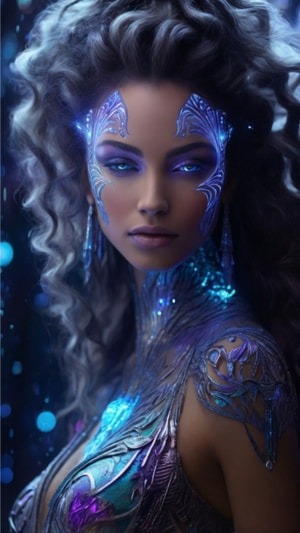
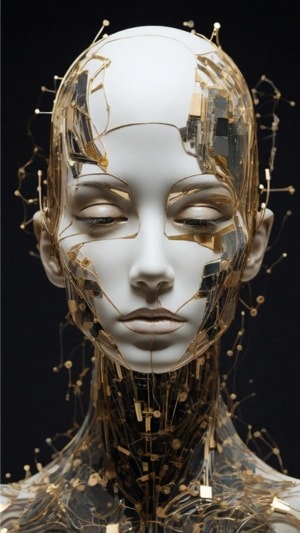
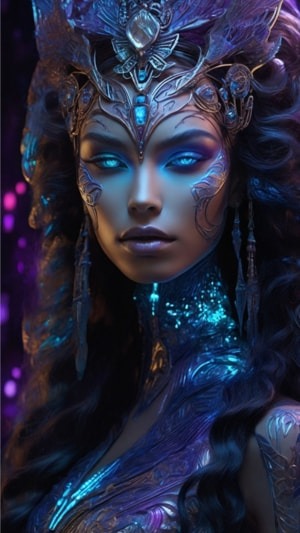
Generative AI takes a distinctly different approach. It thrives on large, often unstructured datasets and learns to generate entirely new content based on the patterns it discovers. Whether crafting paragraphs that read like human-written prose, creating photorealistic images from simple text prompts, or composing original melodies, gen AI embodies flexibility and inventiveness. It can even produce synthetic datasets, enhancing the training of other AI models by augmenting real data. This creative capability opens new horizons, allowing AI to participate in fields where originality and adaptation are crucial.
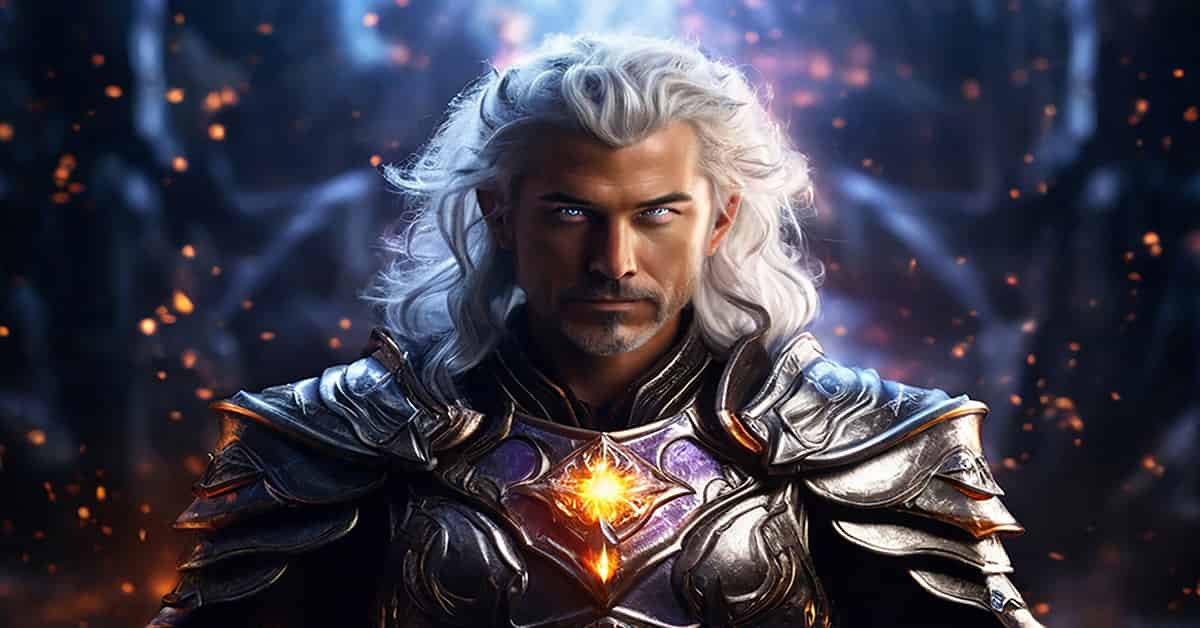
Examples of Gen AI
Generative AI is already reshaping many industries and applications:
- Text Generation: Tools like CHATGPT assist users in drafting emails, writing code, generating ideas, or even creating entire articles and stories with natural, human-like language.
- Image Creation: AI models such as LEONARDO AI and MIDJOURNEY AI generate unique images from simple textual descriptions, empowering artists, designers, and marketers with fresh visual content.
- Music Composition: AI driven music platforms can compose new pieces or inspire musicians by suggesting melodies and harmonies.
- Healthcare: In pharmaceutical research, gen AI accelerates drug discovery by simulating molecular structures and predicting their interactions, speeding up development cycles.
- Gaming and Entertainment: AI generated virtual worlds and characters enable richer, more immersive experiences.
These examples highlight generative AI’s role as a creative collaborator, enhancing human potential across domains.
Gen AI vs. Machine Learning:
Charting the Realms of Generative AI
While generative AI and machine learning (ML) both fall under the broad umbrella of artificial intelligence, they serve different purposes:
- Machine Learning: ML algorithms focus on learning from data to identify patterns and make predictions. Examples include speech-to-text transcription, spam filtering, or image recognition. Machine learning focuses on predicting outcomes by answering questions such as, “What is most likely to occur next?” by extrapolating from historical data.
- Generative AI: Going beyond prediction, gen AI synthesizes new content by understanding and reimagining the data it has learned from. Instead of asking “What will happen?” it asks “What can I create?” This distinction marks gen AI as a more dynamic and creative force within AI.
Put simply, machine learning acts as the analytical engine, while generative AI serves as the creative artist.
Complementary Roles: Traditional AI and Generative AI Working Together
Although they differ, traditional AI and generative AI function as complementary technologies rather than competitors. Traditional AI excels in scenarios where accuracy, consistency, and efficiency are paramount—for example, fraud detection in finance, supply chain optimization, or managing customer service automation. Meanwhile, gen AI excels in creative and adaptive domains, including content creation, design, storytelling, and virtual simulations.
More and more, hybrid AI systems are being developed that blend the dependability of traditional AI with the inventive capabilities of gen AI. These integrated approaches enable smarter, more versatile solutions, blending precision with innovation to solve complex problems and enhance user experiences.
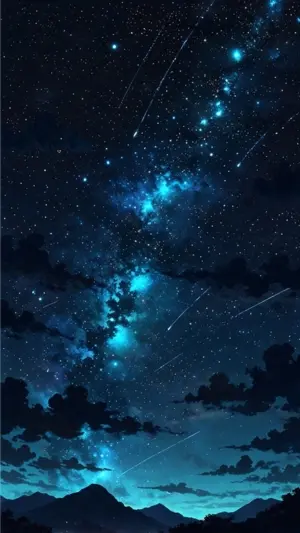
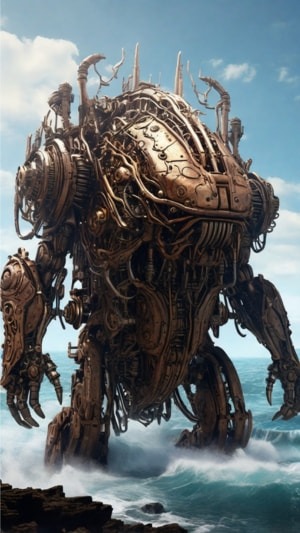
Understanding generative AI vs traditional AI helps creators choose the right tools when building AI powered art and fantasy AI art experiences.
Check out our content on:
Looking Ahead: The Future of Creating AI
The AI landscape is undergoing rapid transformation as the latest AI tools become more powerful and accessible. The line between traditional rule-based AI and gen AI is becoming increasingly blurred, unlocking unprecedented opportunities across industries—from healthcare and finance to entertainment and education.
For professionals engaging with AI—whether developers, content creators, or strategists—grasping the nuances between these AI paradigms is essential. Embracing both traditional AI’s strengths and generative AI’s creative potential offers a pathway to the future where machines do more than just follow instructions. They imagine, innovate, and collaborate with us to expand the frontiers of possibility.
Frequently Asked Questions
Q: What’s the difference between Generative AI and Traditional AI when creating AI content?
A: When creating content, generative AI produces original images, text, and animations, while traditional AI focuses on analyzing data, predicting outcomes, and optimizing existing systems.
Q: What is fantasy AI art?
A: Fantasy AI art refers to artwork created with artificial intelligence that visualizes imaginary worlds, magical creatures, mythic characters, and surreal environments. Artists and creators use AI models to generate fantasy scenes, character concepts, and visual storytelling elements that would be difficult or time-consuming to create by hand alone.
Discover expert insights, powerful comparisons, and innovative tools designed to help you understand and harness the future of creating AI driven solutions.


Leave a Reply to Premia polecajacego Binance Cancel reply