
Update — August 2026
Updated the tool lineup and 2026 feature information, improved the comparison and FAQ sections, and clarified the guide’s focus on lore, continuity, and fantasy worldbuilding.
Building a detailed fantasy or sci-fi world can be one of the most rewarding parts of storytelling—and one of the hardest to keep organized. Political structures, historical timelines, magic systems, locations, cultures, and character histories can quickly become difficult to manage as a story grows.
The best AI for worldbuilding can help brainstorm new ideas, develop lore, test the logic of fictional systems, and maintain continuity across a growing universe. Some tools focus on creative generation, while others are better at organizing the canon you’ve already created.
This guide compares seven of the best AI worldbuilding tools in 2026 for developing deep lore, maintaining consistency, and turning scattered ideas into a believable fictional world.
What Makes the Best AI Worldbuilding Tool?
Best AI Worldbuilding Tools at a Glance
- ChatGPT: Best for flexible brainstorming and world creation
- World Anvil: Best for organizing lore, timelines and maps
- NovelAI: Best for lore-aware AI storytelling
- Sudowrite: Best for fiction-focused worldbuilding and sensory detail
- Novelcrafter: Best for AI-powered lore and canon management
- Character.AI: Best for roleplaying and testing characters
- Claude: Best for large worldbuilding documents and reference material
AI Tools for Worldbuilding 2026: What Should You Look For?
When evaluating the best AI for worldbuilding, a tool shouldn’t just write generic text. To actually save you time and expand your imagination, a worldbuilding assistant should excel in:
- Contextual Memory: The ability to keep established rules, characters, and lore available as a story grows.
- Structured Templates: Wiki-style organization for factions, geographic locations, and relics.
- Logical Continuity: Catching inconsistencies in your timelines or historical eras.



Here is how the top platforms rank for serious fantasy and sci-fi creators.
1. ChatGPT – Best for Flexible Worldbuilding & Brainstorming
OpenAI’s CHATGPT is one of the most flexible worldbuilding assistants for brainstorming cultures, magic systems, fictional histories, locations, languages, and political structures. It works particularly well when you give it established rules and ask it to develop multiple possibilities within those constraints.
Key Features for Worldbuilders:
- Language Construction: Easily generates grammar rules, vocabulary, and naming conventions for fictional dialects.
- Societal Frameworks: Ideate complex governmental hierarchies, religious pantheons, and cultural taboos.
- Visual Inspiration: Use ChatGPT’s built-in image generation to visualize relics, architecture, environments, creatures, and other elements of your fictional world.
Pro-Tip Worldbuilding Prompt:
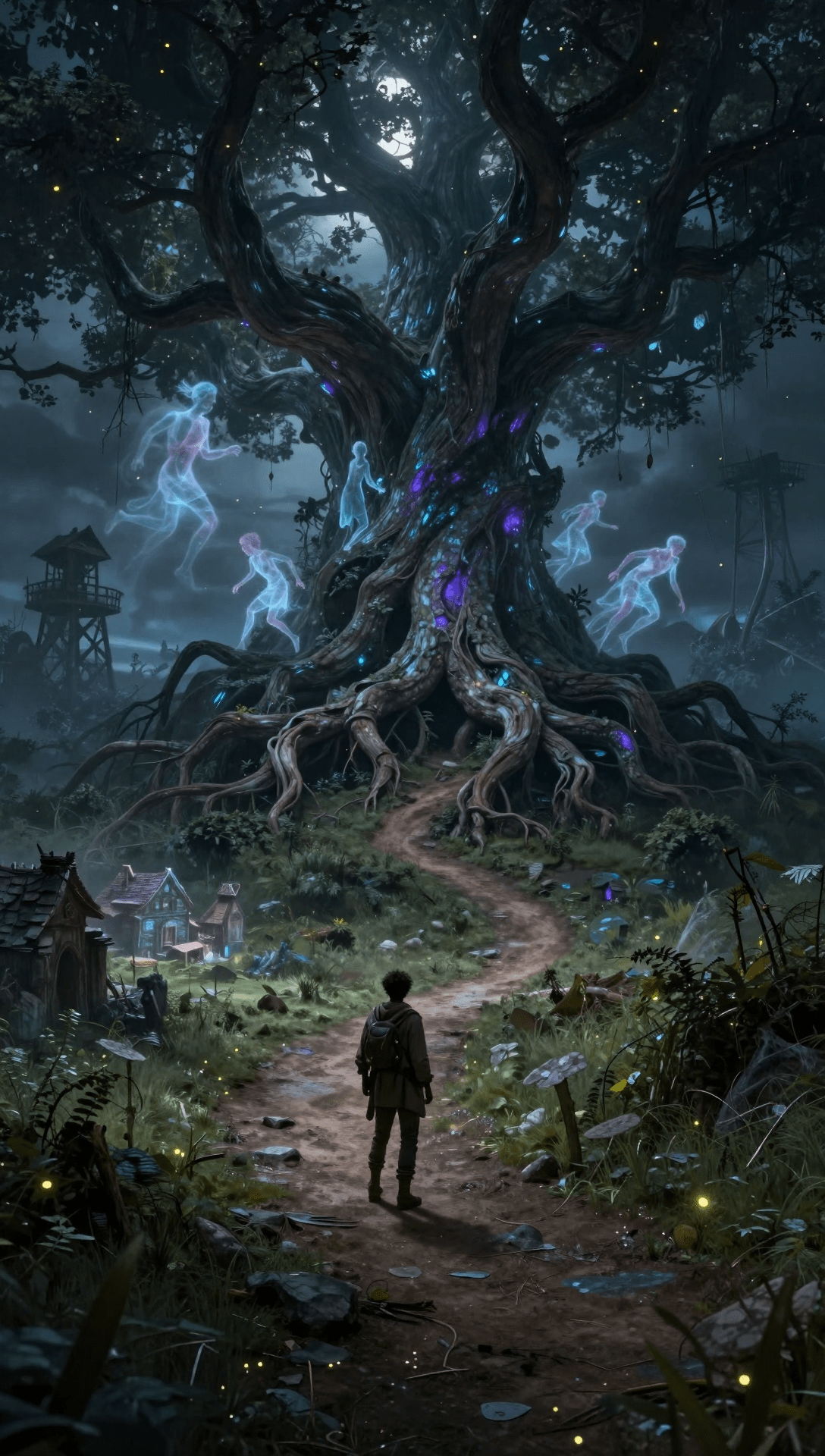
“I am building a dark fantasy setting. Help me design a rare, localized magic anomaly where physical memories can haunt or alter the geography of an ancient forest. Give me three distinct rules for how a traveler accidentally triggers these memory echoes,
one major psychological risk for interacting with them, and two original name ideas for this phenomenon.”
Example AI Output:
Phenomenon Name Ideas:
- The Mnemic Bleed
- Echo-Root Thickets
Three Rules for Triggering Memory Echoes:
- The Rule of Emotional Resonance: An echo is instantly triggered if a traveler enters a grove while experiencing the exact same acute emotion (e.g., intense grief, betrayal, or sudden panic) that occurred there in the past.
- The Rule of Blood-Soil Contact: If a traveler bleeds onto the roots of an elder tree, the forest pulls a memory from the soil and physically reshapes the surrounding terrain (collapsing paths or raising thickets) to match the layout of that memory.
- The Rule of Relic Disruption: Carrying an object into the forest that belonged to someone who died there forces a localized “flashback,” causing the traveler to see and feel a past event looping in real-time.
One Major Psychological Risk:
Memory Grafting: The longer a traveler stands inside an active echo, the more the forest tries to integrate them into the past. Upon leaving, the traveler permanently retains those foreign, dead memories, gradually losing the ability to distinguish their own childhood from the history of the woods.
Once ChatGPT builds the lore framework, you can use an AI image or animation tool to visually bring your new setting to life—just like this memory-haunted elder forest we generated.
Want to turn your worldbuilding artwork into motion? See our guide to animating AI images.
How to Use ChatGPT as a Fantasy Prompt Generator
If you’re looking for a flexible AI worldbuilding generator, ChatGPT can turn simple concepts into detailed settings, cultures, magical rules, and environmental ideas without requiring a dedicated generator tool.
You can also train ChatGPT to behave like an interactive fantasy prompt generator using a reusable instruction like the one below.
Copy and paste this exact system prompt into your chat to set it up:
“Act as a fantasy prompt generator. I will provide you with a basic concept (such as ‘ancient library’ or ‘sky fortress’), and you will generate a highly detailed, sensory-rich paragraph describing the architecture, atmospheric lighting, and hidden magical secrets of that setting for my worldbuilding lore.”
Using a structural template like this ensures that every time you throw a quick idea at the AI, it automatically passes back deep, immersive text that matches the exact mood of your universe.

2. World Anvil – Best for Organizing Lore, Timelines & Maps
WORLD ANVIL isn’t primarily an AI generator. Instead, it provides a structured home for the lore you create with AI or on your own. Its wiki-style articles, interactive maps, historical timelines, and worldbuilding templates make it especially useful when a fictional universe becomes too large to manage across scattered documents.
Key Features for Worldbuilders:
- 25+ Worldbuilding Templates: Specialized structural formats designed specifically for countries, military conflicts, species, and myths.
- Interactive Timelines: Easily map out historical eras and character bloodlines to prevent narrative drift or logical plot holes.
- Interactive Mapping: Drop pins onto your regional maps and link them directly to lore wiki articles you’ve written.



3. NovelAI – Best for Lore-Aware AI Storytelling
NOVELAI is built around AI-assisted storytelling, with tools designed to keep relevant fictional context available while you write. Its Lorebook lets you define characters, locations, factions, objects, and other world details so that relevant information can be added to the AI’s context as those elements appear in your story.
Key Features for Worldbuilders:
- The Lorebook System: Define characters, factions, locations, objects, and other lore so relevant entries can be added to the AI’s context when matching story elements appear.
- Large Context Window: Helps keep more established history, characters, and magic-system constraints available while developing longer stories.
4. Sudowrite – Best for Fiction-Focused Worldbuilding & Sensory Detail
SUDOWRITE is designed specifically for fiction writers, combining prose-generation tools with a Story Bible that can store settings, items, factions, lore, rules, and other worldbuilding details. Relevant information from those entries can then be used as context while you write, helping the fictional world remain connected to the manuscript itself.
Key Features for Worldbuilders:
- Story Bible Worldbuilding: Store settings, factions, items, lore, rules, and other world details so relevant information can remain connected to the story as you write.
- “Describe” Feature: Highlight a generic fantasy setting and instantly generate sensory details (sight, sound, smell, texture) to make the location feel alive.
- Brainstorming Engine: Generate a wide range of names, magical creatures, unusual weather phenomena, setting ideas, and plot possibilities based on your existing story.

5. Novelcrafter – Best for AI-Powered Lore & Canon Management
NOVELCRAFTER combines novel planning with a structured Codex that acts as a story bible and worldbuilding database. Characters, locations, factions, objects, history, and other lore can be stored as interconnected entries, then supplied to AI tools as context while you brainstorm or write.
Key Features for Worldbuilders:
- Codex: Store and organize characters, locations, objects, lore, and other important world information.
- AI-Powered Worldbuilding: Expand lore and fill gaps while using established Codex information as a source of truth.
- Codex Relations: Connect related entries so the AI can pull in broader context when working with a particular part of your world.
- Scene Context: Attach relevant Codex entries to scenes so established lore is available when generating or developing story material.
6. Character.AI – Best for Roleplaying & Testing Characters
CHARACTER.AI takes a different approach to worldbuilding by letting you interact directly with characters from your fictional universe. Creating custom personas can help test dialogue, motivations, relationships, and how established personalities respond to different situations.
Key Features for Worldbuilders:
- Persona Testing: Build a custom AI chatbot representing a god, king, or villain from your lore. Chatting with them allows you to organically discover their voice, motivations, and flaws.
- Lorebooks (Beta): Build reusable lore entries for locations, side characters, rules, history, and other world details so Characters can draw on established information during conversations. Lorebook is currently rolling out in beta, with early access for c.ai+ subscribers.



7. Claude – Best for Large Worldbuilding Documents & Reference Material
Anthropic’s CLAUDE is particularly useful when your fictional universe already contains substantial notes, timelines, character histories, rules, and reference documents. Its Projects feature provides dedicated workspaces where related chats and uploaded knowledge can remain together, making it useful for analyzing and developing larger worldbuilding bibles.
Key Features for Worldbuilders:
- Project Knowledge: Upload lore documents and reference material for use across conversations within a Project.
- Project Instructions: Establish guidelines for how Claude should interpret and work with your fictional universe.
- Document Analysis: Ask Claude to compare timelines, characters, rules, or lore documents and identify contradictions or gaps.
- Retrieval for Large Projects: Claude can use retrieval to locate relevant information within larger Project knowledge bases rather than loading everything at once.
The Verdict: Which AI Worldbuilding Tool Should You Choose?
Choosing the best AI for world building depends on where you need the most help: generating ideas, organizing established lore, maintaining continuity, or working with large reference documents.
- Choose ChatGPT for flexible brainstorming and developing cultures, magic systems, and new ideas.
- Choose World Anvil for organizing maps, timelines, articles, and established lore.
- Choose NovelAI for lore-aware AI storytelling.
- Choose Sudowrite for fiction-focused worldbuilding connected directly to the writing process.
- Choose Novelcrafter for structured AI-assisted lore and canon management.
- Choose Character.AI for testing characters, personalities, and voices through roleplay.
- Choose Claude for working across large collections of worldbuilding notes and reference material.
Once your world is established, our guide to the best AI writing software can help you turn that lore into scenes, chapters, and finished fiction.
Continue Learning AI-Powered Creativity
If you want to go deeper into AI writing, image creation, and animation, these guides can help turn your worldbuilding ideas into finished stories and visual projects:
Best AI Writing Software for Fantasy & Creative Writing (2026)
Explore how AI writing tools can help spark character ideas and expand your fantasy stories.
How to Craft Picture Prompts That Create Powerful AI Images (2026)
Learn how to structure prompts that generate cinematic AI art, detailed characters, and immersive fantasy environments.
How to Animate AI Images: Step-by-Step Beginner Guide (2026)
Learn how to turn static images into cinematic animated scenes using modern AI animation tools.
How Generative AI Works: The Powerful Shift in AI Image Creation
Understand how AI models interpret prompts and transform text into visual images.
How to Create Consistent AI Characters for Animation (2026 Workflow)
Discover practical techniques for building recurring AI characters that stay visually consistent across storytelling, animation, and cinematic scenes.
These guides walk through the creative side of building worlds, crafting prompts, and transforming AI images into cinematic visual stories.
Frequently Asked Questions About AI Worldbuilding Tools
Q: What is the best AI for worldbuilding in 2026?
A: There isn’t one best tool for every worldbuilder. ChatGPT is strongest for flexible brainstorming, World Anvil for structured lore and maps, Novelcrafter for AI-assisted canon management, NovelAI for lore-aware storytelling, and Sudowrite for fiction-focused worldbuilding.
Q: Will using AI for worldbuilding make my fantasy world feel generic?
A: Not if you use it as a brainstorming collaborator rather than a copy-paste tool. If you give an AI a basic prompt like “write a magic system,” it will spit out predictable, overused fantasy tropes. The secret is to treat the AI like a creative director. By giving it highly specific real-world constraints, unique themes, and strict logical rules, the AI acts as a mirror to amplify and flesh out your original human ideas.
Q: How do I stop AI tools from forgetting my world’s history and character details?
A: The best approach is to give the AI a reliable source of truth. Tools such as NovelAI use Lorebooks, Novelcrafter uses its Codex, and Sudowrite uses Story Bible worldbuilding entries to bring relevant lore into the writing process. ChatGPT and Claude can also work with uploaded reference material inside dedicated Projects. For manual organization, World Anvil is useful for maintaining structured timelines, maps, articles, and canon that you can reference when working with an AI assistant.
Q: Can AI worldbuilding tools generate consistent maps and visual timelines?
A: Not reliably by themselves. AI assistants can help plan geography, settlements, routes, political boundaries, and historical events, but dedicated worldbuilding software is generally better for maintaining a consistent spatial layout. World Anvil, for example, lets creators use interactive maps and timelines alongside connected lore articles.
Q: What is the best AI for worldbuilding (free) when starting out?
A: ChatGPT and Claude both offer free access for conversational brainstorming, making them easy starting points for developing cultures, magic systems, locations, and history. World Anvil also offers a free account if you need a structured place to organize the lore you create, although it is a worldbuilding platform rather than an AI generator.
Q: Is there an AI worldbuilding generator for fantasy writers?
A: Yes, although different tools approach worldbuilding in different ways. ChatGPT is flexible for generating cultures, magic systems, locations, and history, while tools such as Novelcrafter and Sudowrite combine AI generation with structured story or lore information. For organizing an established world rather than generating one, World Anvil provides dedicated maps, timelines, articles, and worldbuilding templates.
See the project in action on:
When used strategically, AI worldbuilding tools can help authors maintain consistency across characters, lore, and long-form storytelling.
Ready to build a deeper, more consistent fantasy world? Visit our homepage to explore tools, tips, and inspiration designed to help storytellers like you bring their worlds to life.
Leave a Reply